
Reducing inflammation and extending your healthspan by diet and exercise alone is absolutely possible, but it requires a great deal of discipline and commitment. The rules are very simple, but following them consistently can be quite a challenge.
Daily cardio exercise is extremely valuable in reducing inflammation. Research shows that 40 minutes of elevated heart rate (aerobic) exercise every day not only reduces inflammatory markers (like HSCRP and Lp-PLA2), it also reduces your risk of both heart attack and stroke, and can help you maintain general strength and mobility.
Carbohydrates are pro-inflammatory compounds, so limiting your exposure to them through a low carb diet can significantly reduce inflammation as well as decreasing your risk of heart attack, stroke, and some types of cancer. It can also prevent, manage, or even reverse diabetes. While there are many low carb diets to choose from, this option seems to be the most user friendly. Restrict your carbohydrate intake to no more than 25 carbs every 4 hours. You can have 25 carbs for breakfast, (use them or lose them, but you can’t save them for later). You can have 25 more for lunch, 25 for dinner, 25 for a late night snack, and so on. That’s up to 150 carbs in a 24 hour period, but no more than 25 at any one time. The goal is to limit yourself to a small enough number of carbs that your pancreas can process them over a 4 hour period without recruiting help from other organs. If you can consistently follow this diet, you can reduce inflammation, lose weight, and even reverse type 2 diabetes. Managing or preventing these conditions can significantly contribute to your overall healthspan.

Whether you prefer traditional, nutritional, or cutting edge therapies, there are many great treatments available. Choose between them based on your needs, your budget, or your beliefs. Or you can decide to take them all if you like. Print the summaries to discuss with your physician, or just review this site on your phone during your next office visit. Either way, Touchstone makes it easy to understand and share treatment options so you can make informed decisions about your own care.

In the 1960’s researchers discovered a unique bacteria living in the soil of Easter Island. This “good bacteria”, (Streptomyces hygroscopicus), produces a remarkable compound with many beneficial effects. Named Rapamycin in honor of its place of origin “Rapa Nui” (the indigenous name for Easter Island), the substance has anti-inflammatory, anti-tumor (antitumorigenic), antifungal, and immunomodulatory effects on the human body. Originally approved for use as a transplant anti-rejection drug, Rapamycin has since become one of the most promising longevity and anti-aging treatments available. Just since 2009 more than a dozen scientific studies have been conducted evaluating Rapamycin’s effect on aging with very encouraging results.
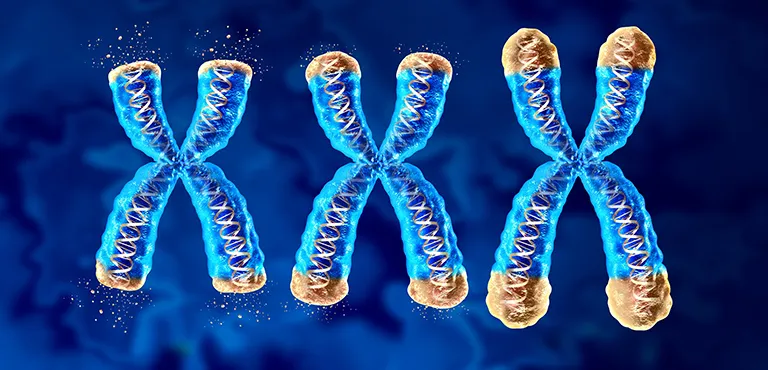
During the cold war the Russian government discovered that their submarine crews were aging at an unusually fast rate. They were developing the effects of old age much earlier than the general population. This led them to invest heavily in anti-aging research, and by the late 1980s their investment paid off. Vladimir Khavinson, a professor at St. Petersburg University, is credited with discovering, testing, and producing a peptide that is naturally created by the pineal gland. Epitalon (or Epithalon, depending on how it is sourced), has been shown to promote cellular repair, reduce oxidative stress, and most importantly lengthen the protective caps on the ends of your chromosomes called telomeres. Telomere shortening is a primary indicator of cellular aging. It happens each time a cell replicates, (much like making a copy of a copy of a copy reduces the quality of the original image). Since cellular age is determined by measuring your telomeres, lengthening those telomeres is by definition how you reverse cellular aging.
Methylene Blue was originally created as a fabric dye in 1876, but its medical benefits quickly became apparent. Initially found to treat Malaria, the list of medical uses grew throughout the 20th century and continues even to this day. It is considered to be the first fully synthetic drug used in medicine. It is approved by the FDA for the treatment of Malaria, Vasoplegic Syndrome, Methemoglobinemia, and chemotherapy induced brain dysfunction (Encephalopathy), but its most celebrated uses for cognitive support in Alzheimer’s and as an anti-aging treatment are still considered “off label”. Several now completed research studies are very promising, but the FDA has yet to give their formal approval.

Astaxanthin is a natural red pigment found in salmon, shrimp, lobster, and red algae. It is a natural anti-inflammatory and a very potent antioxidant found to be 6,000 times stronger than Vitamin C. It is helpful in protecting your tissue from free radical damage resulting in healthier skin, eyes, muscles, and improved cognitive function.
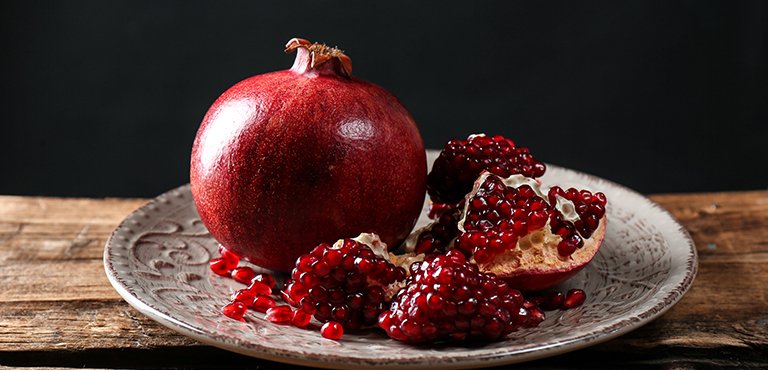
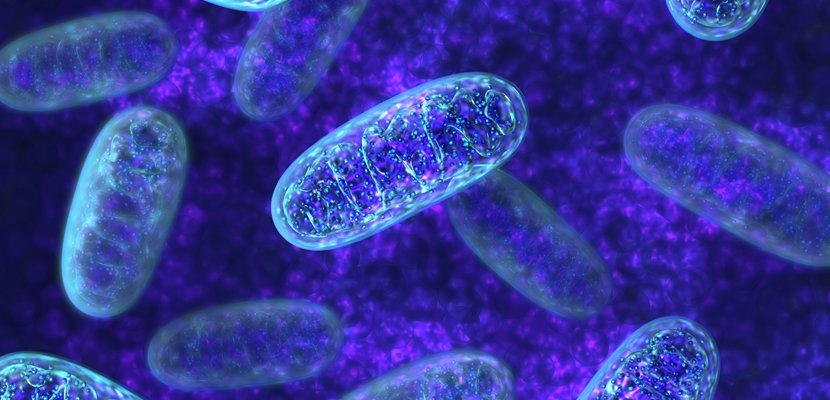
Urolithin A is produced by the digestion of dietary polyphenols. These compounds are found in foods like pomegranates, cocoa powder, dark chocolate, chokeberry, wild berries, (blueberries, blackberries, raspberries, and strawberries), hazelnuts, and pecans. Urolithin A is a powerful anti-inflammatory that also helps reverse cellular aging by clearing dysfunctional mitochondria and promoting the growth of new healthy ones. Clinical studies also suggest that it can enhance immunity and improve muscle strength and endurance in older adults.
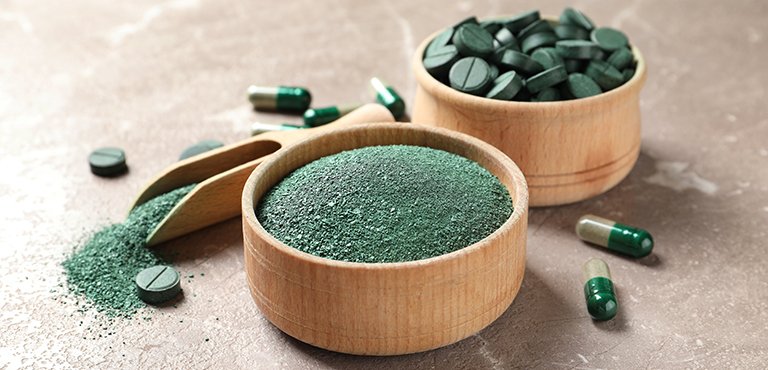
A staple of the Aztec culture for ages, spirulina was introduced to Europeans when Hernando Cortez and his Spanish Conquistadors first made contact with them in 1519. This “blue-green microalgae” (technically cyanobacteria) was rediscovered by natural foods pioneer Christopher Hills in the mid 20th century and the United Nations even declared it “the best food for the future” in 1974. Spirulina is known for its high protein content, immune system support, antioxidant, and anti-inflammatory effects. It has been shown to decrease inflammatory markers like C-Reactive Protein (CRP) and dilate your blood vessels thereby lowering blood pressure. It also helps to reduce allergic reactions to common allergens such as dust, pet dander, and mold.
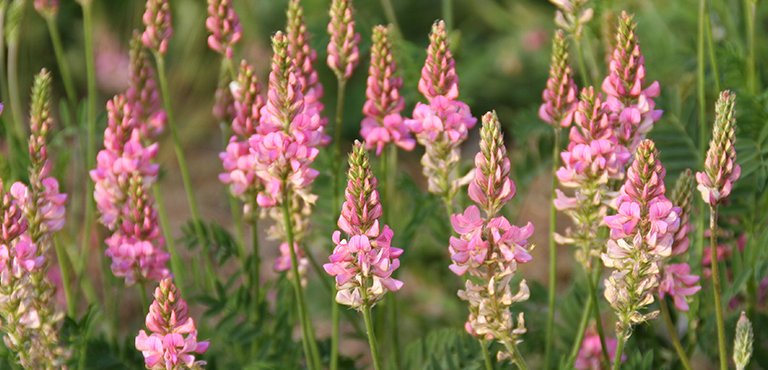
Used for over 2,000 years in traditional Chinese medicine, it is known as an anti-inflammatory, antioxidant, and immune system supporter. Studies indicate that Astragalus root also provides some kidney protection by decreasing the amount of protein excreted in the urine (proteinuria) and reducing blood pressure. More recent research suggests it may increase telomerase activity, an enzyme that repairs and builds telomeres. If proven, it would mean Astragalus helps to reverse cellular aging.
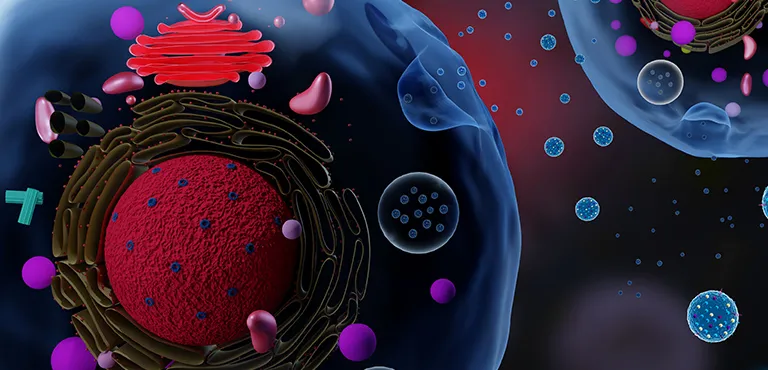
Simply put, exosomes are a high tech way to change the conversation your cells are having with each other. All your cells are constantly communicating with one another through chemical messages packed into tiny bubbles called exosomes. One cell releases a handful of exosomes that get picked up by neighboring cells which in turn release their own, like a bunch of people at a cocktail party chatting about the news of the day. Understanding this type of cellular communication is not new to us, but having the ability to change the topic of conversation is a game changer. Imagine five elderly women sitting around a lunch table at the nursing home discussing their bowel problems. Each one is contributing to the old, tired, boring tone of the meeting. Now imagine that one of the lady’s granddaughters stopped by to visit and excitedly told “grandma” and her friends about a new song and dance she learned at camp, eventually convincing everyone at the table to do it with her. By changing the conversation, the child got a group of elderly people to start acting like kids again. That’s the idea behind exosomes. Although exosomes can be harvested from any tissue, younger conversations tend to come from younger tissue so they are most often derived from donated placental tissue. Unlike stem cells, the “foreign” tissue cells are not injected into the patient. Only the “conversations” (chemical messages) are used, so there is no risk of rejection, cancer, or allergic reaction, and there are no ethical or religious concerns about how they are sourced.