
Reducing inflammation and extending your healthspan by diet and exercise alone is absolutely possible, but it requires a great deal of discipline and commitment. The rules are very simple, but following them consistently can be quite a challenge.
Daily cardio exercise is extremely valuable in reducing inflammation. Research shows that 40 minutes of elevated heart rate (aerobic) exercise every day not only reduces inflammatory markers (like HSCRP and Lp-PLA2), it also reduces your risk of both heart attack and stroke, and can help you maintain general strength and mobility.
Carbohydrates are pro-inflammatory compounds, so limiting your exposure to them through a low carb diet can significantly reduce inflammation as well as decreasing your risk of heart attack, stroke, and some types of cancer. It can also prevent, manage, or even reverse diabetes. While there are many low carb diets to choose from, this option seems to be the most user friendly. Restrict your carbohydrate intake to no more than 25 carbs every 4 hours. You can have 25 carbs for breakfast, (use them or lose them, but you can’t save them for later). You can have 25 more for lunch, 25 for dinner, 25 for a late night snack, and so on. That’s up to 150 carbs in a 24 hour period, but no more than 25 at any one time. The goal is to limit yourself to a small enough number of carbs that your pancreas can process them over a 4 hour period without recruiting help from other organs. If you can consistently follow this diet, you can reduce inflammation, lose weight, and even reverse type 2 diabetes. Managing or preventing these conditions can significantly contribute to your overall healthspan.

Whether you prefer traditional, nutritional, or cutting edge therapies, there are many great treatments available. Choose between them based on your needs, your budget, or your beliefs. Or you can decide to take them all if you like. Print the summaries to discuss with your physician, or just review this site on your phone during your next office visit. Either way, Touchstone makes it easy to understand and share treatment options so you can make informed decisions about your own care.
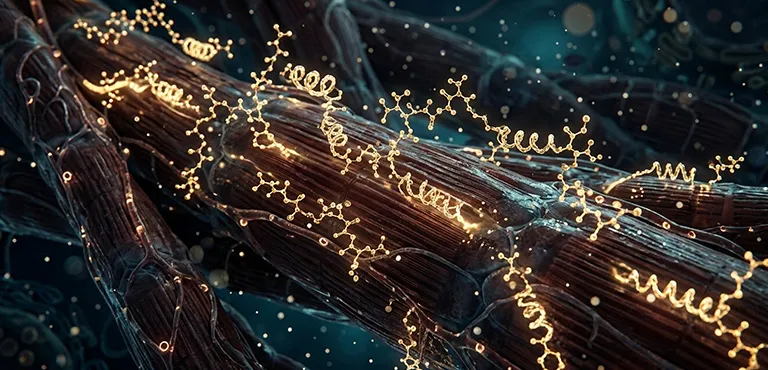
Discovered in the 1990s by researchers at the University of Zagreb in Croatia, the BPC-157 peptide, (Body Protective Compound – 157) was first isolated from human gastric juice. It was found to have anti-inflammatory properties, (especially beneficial for inflammation in the digestive tract), it accelerated the healing of tendons, ligaments, and muscles, and demonstrated an ability to promote the growth of new blood vessels, (angiogenesis).
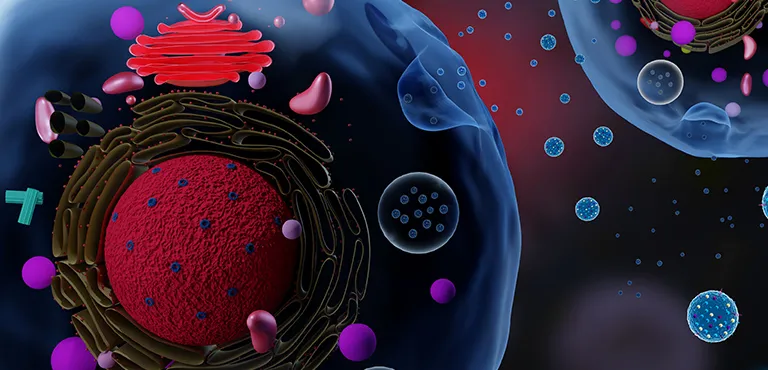
Exosomes are a high tech way to change the conversation your cells are having with each other. All your cells are constantly communicating with one another through chemical messages packed into tiny bubbles called exosomes. One cell releases a handful of exosomes that get picked up by neighboring cells which in turn release their own, like a bunch of people at a cocktail party chatting about the news of the day. Understanding this type of cellular communication is not new to us, but having the ability to change the topic of conversation is a game changer. Imagine five elderly women sitting around a lunch table at the nursing home discussing their bowel problems. Each one is contributing to the old, tired, boring tone of the meeting. Now imagine that one of the lady’s granddaughters stopped by to visit and excitedly told “grandma” and her friends about a new song and dance she learned at camp, eventually convincing everyone at the table to do it with her. By changing the conversation, the child got a group of elderly people to start acting like kids again. That’s the idea behind exosomes. Although exosomes can be harvested from any tissue, younger conversations tend to come from younger tissue so they are most often derived from donated placental tissue. Unlike stem cells, the “foreign” tissue cells are not injected into the patient. Only the “conversations” (chemical messages) are used, so there is no risk of rejection, cancer, or allergic reaction, and there are no ethical or religious concerns about how they are sourced.